Language access
Language access in a therapy practice: what the law expects and what families need
Meaningful access under Section 1557 and Title VI for practices that take federal funds, why a translated portal is not enough, and a practical plan for interpretation, translated documents, and messaging.
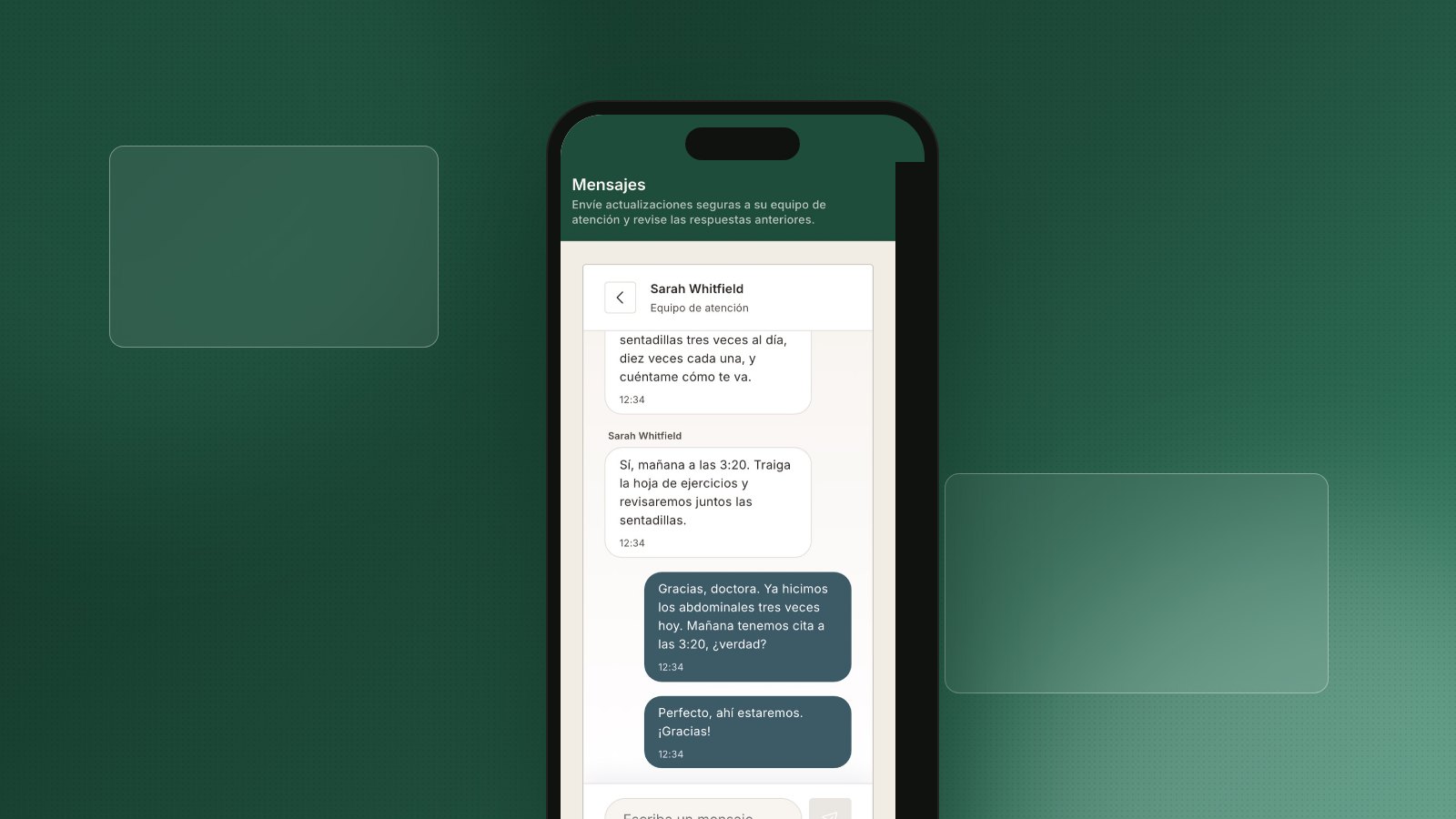
Roughly one in twelve people in the United States speaks English less than very well, and pediatric therapy sees more than its share because language differences are one of the reasons children are referred. The legal frame is settled; the practical part is where practices struggle.
The obligations, briefly
- Title VI of the Civil Rights Act prohibits national-origin discrimination by recipients of federal funds, and language is treated as a proxy for national origin.
- Section 1557 of the ACA applies that to health programs and requires reasonable steps to provide meaningful access to individuals with limited English proficiency, including qualified interpreters at no cost and translated vital documents. Practices that accept Medicare Part B or Medicaid are covered.
- State rules add requirements in some states, especially around Medicaid.
The tests reviewers apply are practical: was a qualified interpreter available when clinical information was exchanged, did the family receive vital documents they could read, and did the practice document how access was provided.
Why a translated portal is not enough
A portal whose buttons are in Spanish while the goals, home programs, and notes inside it are in English gives a family the appearance of access without the substance. The clinical content is what they need: what the goal is, how to do the exercise, what the note says happened. Interpretation in the visit and translation of what the clinician writes are both required for the plan to be carried out.
A practical plan
- Know your languages. Record the preferred language on every patient and guardian.
- Interpret the visit. In person: a qualified interpreter or a live translation tool with clinical vocabulary. Telehealth: live captions and dubbing inside the visit.
- Translate what they act on. Home programs, goals, intake questions, consents, and appointment communications.
- Let them write in their language. Messaging that translates both ways removes the biggest daily barrier.
- Document it. Note the language used, how interpretation was provided, and who declined an interpreter.
The clinical upside
Language access is not only compliance. Families who understand the home program do it. Parents who can message in Spanish tell you the child stopped using the strategy at school. Adherence and outcomes follow.
In Sefton
The written experience (portal, messaging, intake, translated captions) reaches eleven languages; live speech translation covers eight. Clinician-authored text (goals, home programs, shared notes, intake questions) is shown to the family in their language with the original available. See Secure messaging with families and Telehealth visits.
Frequently asked questions
Can a family member interpret?
Under Section 1557 a practice may not require it, and an adult family member may interpret only if the individual asks and it is appropriate. A minor child may not interpret except in an emergency.
Do I have to translate every document?
The obligation is meaningful access, not a translated copy of everything. Vital documents (consents, intake, rights notices) and the communications a family relies on to follow the plan are the priority.