Clinical practice
Writing therapy goals a payer and a parent can both read
A goal format that is measurable, functional, and short: the behavior, the condition, the criterion, the timeline, and the one sentence that explains why it matters at home.
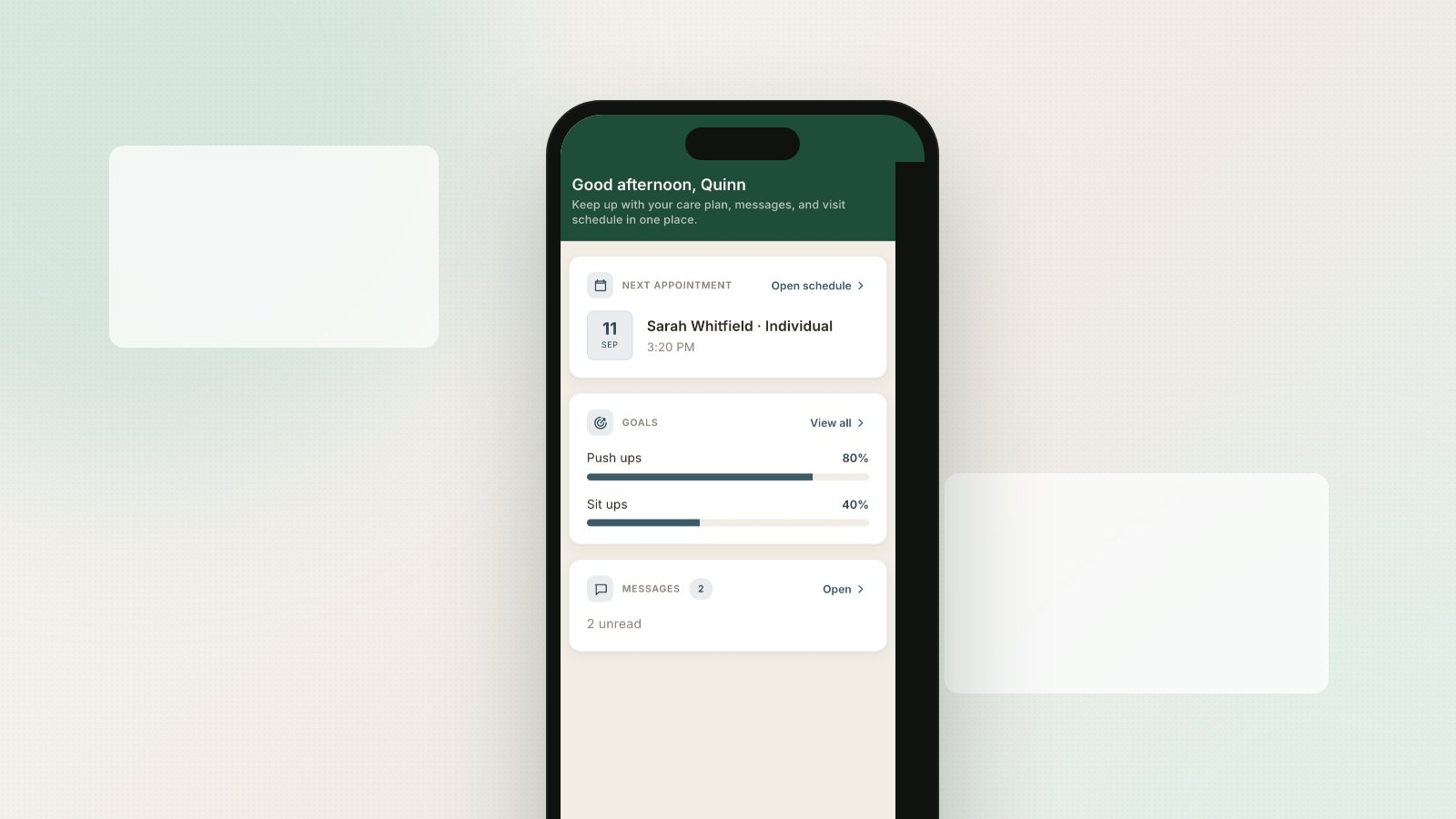
A good goal does two jobs. It tells a reviewer exactly what will be measured, and it tells a parent what will be different at dinner. Most goals do one or the other.
The format
[Who] will [behavior] [in what condition] with [criterion] across [how many sessions or trials] by [date].
“Maya will produce /r/ in the initial position of words during structured picture naming with 80 percent accuracy across three consecutive sessions by December 15.”
Each element does work:
- Behavior: observable. “Produce,” “request,” “transfer,” “sequence,” not “improve” or “understand.”
- Condition: where and with what support. Structured naming is different from conversation; standing at the sink is different from sitting at the mat table.
- Criterion: the number you will record every session.
- Sessions or trials: how many times the criterion must be met before the goal is achieved.
- Date: usually the plan of care’s end.
Long-term and short-term
The long-term goal is the functional destination (“Maya will be understood by unfamiliar listeners in classroom conversation”). Short-term goals are the measurable steps toward it, and they are what you record data on. Payers read the long-term goal for medical necessity and the short-term goals for progress.
The parent sentence
Under the goal, one plain sentence: “This means Maya can order for herself at a restaurant.” When families see goals in the portal in their own language, this sentence is what they read.
Recording progress so the goal means something
Record per session: accuracy, trials, performance rating, and assistance level. Three sessions of 80 percent tells the story; “making progress” does not. When progress stalls for several sessions, change the condition or the criterion and say why in the note.
In Sefton
Treatment Goals hold long-term goals with nested short-term goals, each with target criteria and status. Session data is recorded from Quick Dictate or the Session Goal Tracker, progress to goal is computed from sessions at target, and the Goal Progress Report assembles the evidence. Families see active goals with progress bars in their language. See Goals and progress.
Frequently asked questions
How many goals should a plan have?
Two to four long-term goals with two or three short-term goals each is typical. More than that and nothing gets measured every session.
What criterion should I use?
Whatever you can actually count in session: percent accuracy over a set number of trials, number of opportunities, or level of assistance. Pick one per goal and keep it for the whole plan.